How quickly could COVID-19 vaccines stop the pandemic?
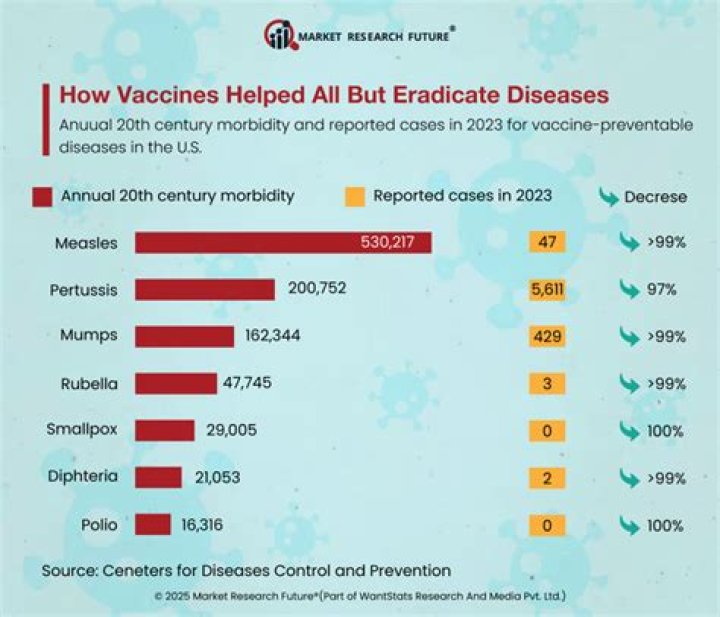
The impact of COVID-19 vaccines on the pandemic will depend on several factors. These include factors such as the effectiveness of the vaccines; how quickly they are approved, manufactured, and delivered; and how many people get vaccinated.Most scientists anticipate that, like most other vaccines, COVID-19 vaccines will not be 100 per cent effective. The WHO is working to help ensure that any approved vaccines are as effective as possible, so they can have the greatest impact on the pandemic.
How long does the virus survive on surfaces?
See full answerIt is not certain how long the virus that causes COVID-19 survives on surfaces, but it seems to behave like other coronaviruses. Studies suggest that coronaviruses (including preliminary information on the COVID-19 virus) may persist on surfaces for a few hours or up to several days. This may vary under different conditions (e.g. type of surface, temperature or humidity of the environment).If you think a surface may be infected, clean it with simple disinfectant to kill the virus and protect yourself and others. Clean your hands with an alcohol-based hand rub or wash them with soap and water.
What are the organs most affected by COVID‐19?
The lungs are the organs most affected by COVID‐19
Why is vaccination important, including the COVID-19 vaccination?
Vaccination is a safe and effective way to prevent disease and save lives. When we get vaccinated, we do not just protecting ourselves, but also those around us. Some people, like those who are seriously ill, are advised not to get certain vaccines – so they depend on the rest of us to get vaccinated and help reduce the spread of disease.
How do vaccines work, including the COVID-19 vaccine?
See full answerVaccines train your immune system to create antibodies, just as it does when it is exposed to a disease. When you get a vaccine, your immune system responds. It:
- recognises the invading germ, such as the virus or bacteria
- produces antibodies. Antibodies are proteins produced naturally by the immune system to fight disease
- remembers the disease and how to fight it. If you are then exposed to the germ in the future, your immune system can quickly destroy it before you become unwell.
Who are at higher risk of developing serious illness from COVID-19?
Older people, and those with underlying medical problems like cardiovascular disease, diabetes, chronic respiratory disease, and cancer are more likely to develop serious illness.
Are people of a particular age vulnerable to coronavirus disease?
People of all ages can be infected by the COVID-19 virus.Older people and younger people can be infected by the COVID-19 virus. Older people, and people with pre-existing medical conditions such as asthma, diabetes, and heart disease appear to be more vulnerable to becoming severely ill with the virus.
Do smokers get more severe symptoms of COVID-19 if infected?
Smoking any kind of tobacco reduces lung capacity and increases the risk of many respiratory infections and can increase the severity of respiratory diseases. COVID-19 is an infectious disease that primarily attacks the lungs. Smoking impairs lung function making it harder for the body to fight off coronaviruses and other respiratory diseases. Available research suggests that smokers are at higher risk of developing severe COVID-19 outcomes and death.